DFDog Picks Friend
Dog hydration search guide

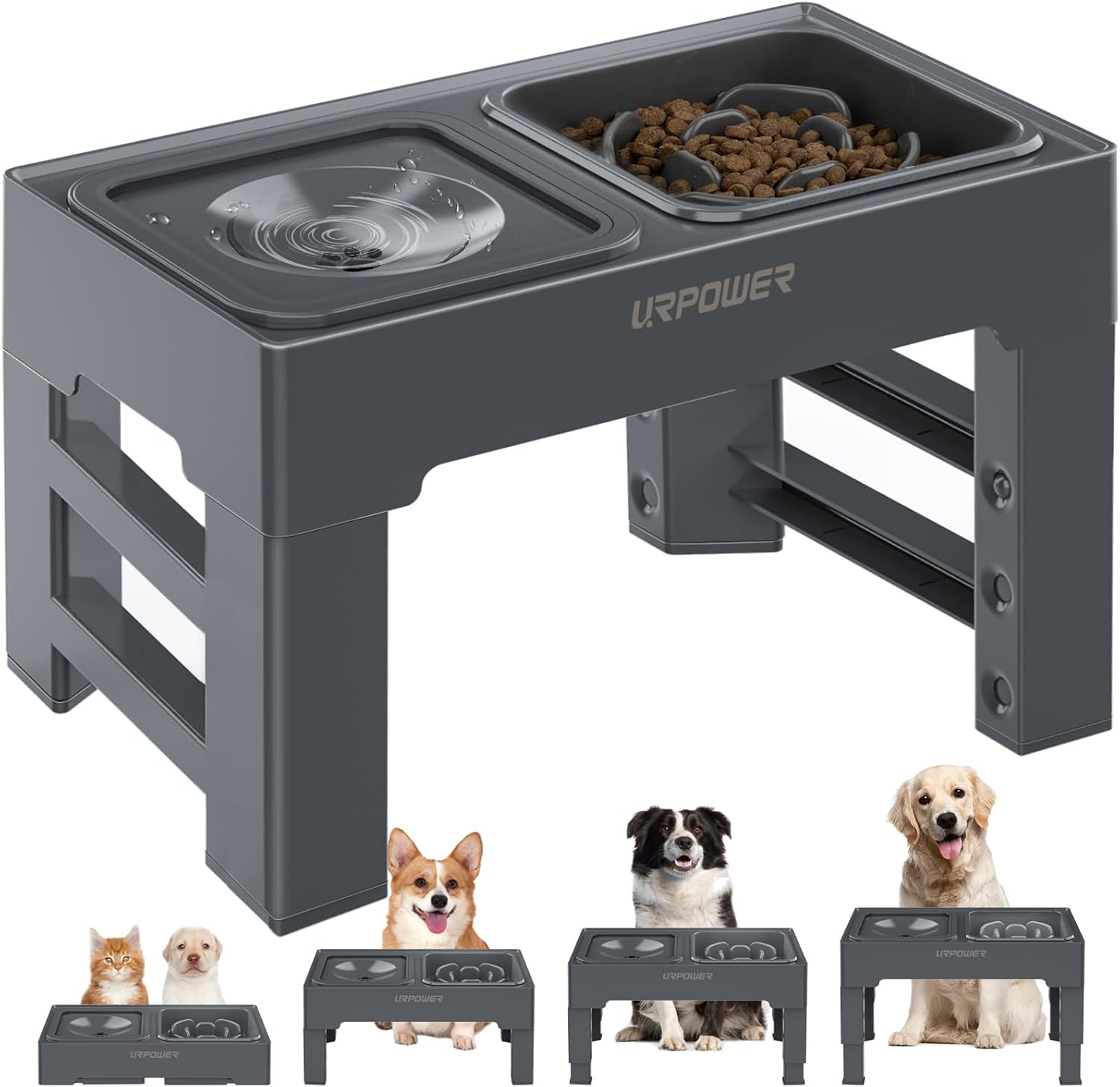
Best dog water fountain and bowl setup

Google-style searches around dog fountains usually hide a simpler question: will this setup make my dog drink more without adding annoying cleaning work?

See matching picks Use the finder

Search demand this page answers

  • Users search for dog water fountains when ordinary bowls spill, run empty, or seem ignored.
  • Common questions compare fountains vs bowls, stainless vs plastic, and how often filters need cleaning.
  • High-intent buyers want capacity, quiet pumps, anti-splash design, and proof the product will not create more mess.

Choose the setup by problem

  • For a dog that drinks normally, a stable stainless bowl is still the lowest-maintenance answer.
  • For a large dog or multi-pet home, a larger station can reduce refills but does not remove washing.
  • For splashy drinkers, prioritize no-spill geometry and floor protection before a fancy pump.

Skip the popular option when

  • You cannot clean pump parts and corners every week.
  • Your dog chews cords or plays with water devices.
  • The change in drinking is sudden or paired with symptoms; that is a vet question before a shopping question.

Buyer checklist

  • Check reservoir access, filter price, pump replacement, cord routing, and noise reviews.
  • Measure the drinking area and plan where wet parts will dry after washing.
  • Avoid treating large capacity as fresh water; refill and clean on a routine.

FAQ

Are dog water fountains better than bowls?

They can help dogs that prefer moving water or need a larger visible water source, but bowls are easier to clean and may be better for low-maintenance homes.

How often should a dog fountain be cleaned?

Most homes should clean water-contact parts at least weekly, and more often for large dogs, multi-pet homes, or visible slime and hair.

What is the best first upgrade for a messy drinker?

A non-skid bowl or no-spill station is often a better first test than a pump fountain.